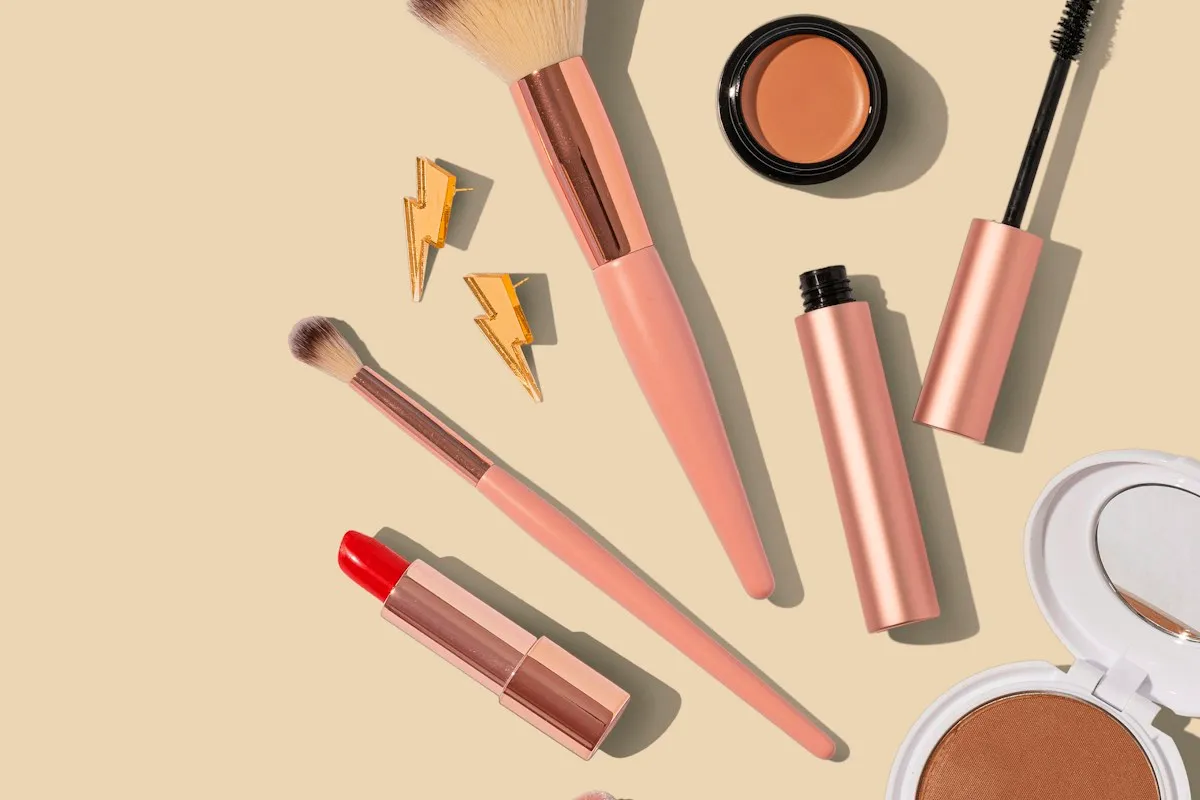
The right makeup bag is smaller than you think. If you separate what you use every day from the occasional extras, a single medium bag with two or three compartments covers most routines. Here's how to get there.
Edit to a daily set first
Empty the bag. Put back only what you used in the last two weeks — that's the daily set. Everything else goes to a drawer organizer or an "occasion" pouch at home. Most bags are chaotic because they're carrying three routines at once.
Choose compartments over capacity
One big pouch becomes a rummage box. Look for a main compartment, a flat pocket for palettes, and a brush section or elastic loops. A bag that opens flat or stands upright beats a deep one. You can see everything without tipping it out.
Brushes need their own space
Loose brushes shed product onto everything else and lose their shape. A slim brush roll or a section with elastic loops keeps bristles protected. Let brushes dry fully before they go back in a closed bag. Trapped moisture is how mildew starts.
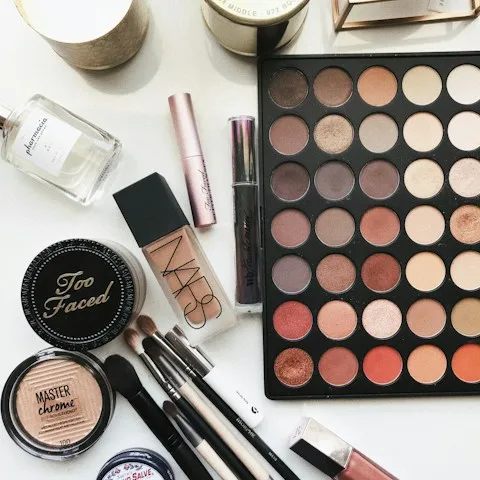
Opens fully so nothing hides at the bottom; a separate brush flap keeps powder off everything else.
Keep in mindCheck the closed dimensions. Some open flat but pack bulky in a tote.
View on Amazonpaid link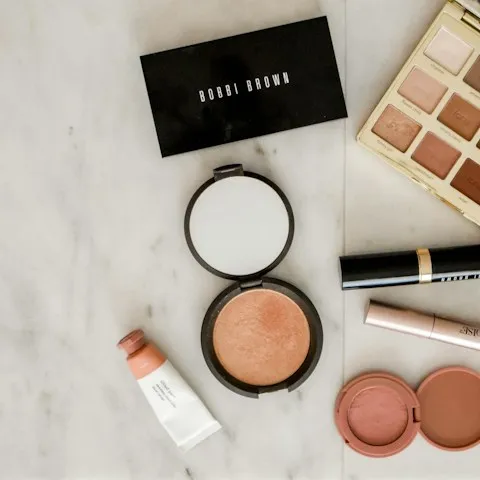
Protects bristles in transit and doubles as a stand on a counter. Look for washable lining. It will get dirty.
Keep in mindElastic loops sized for slim brushes may not fit chunky kabuki handles.
View on Amazonpaid link